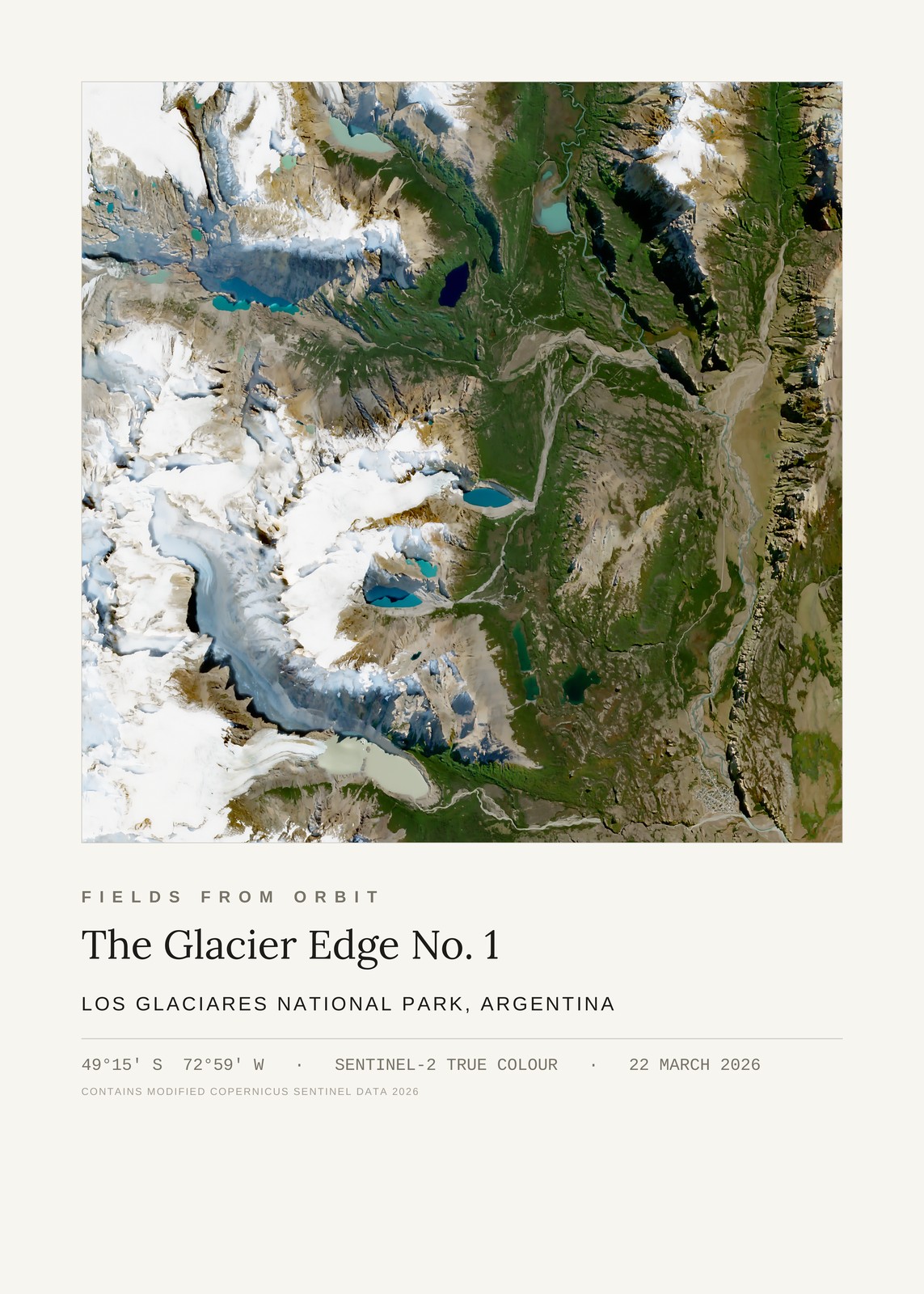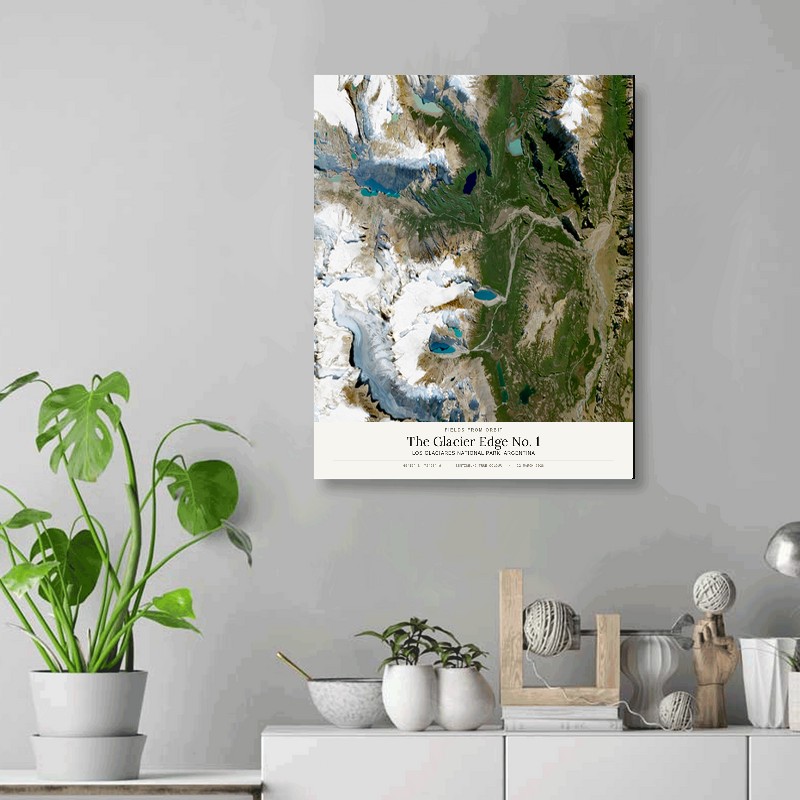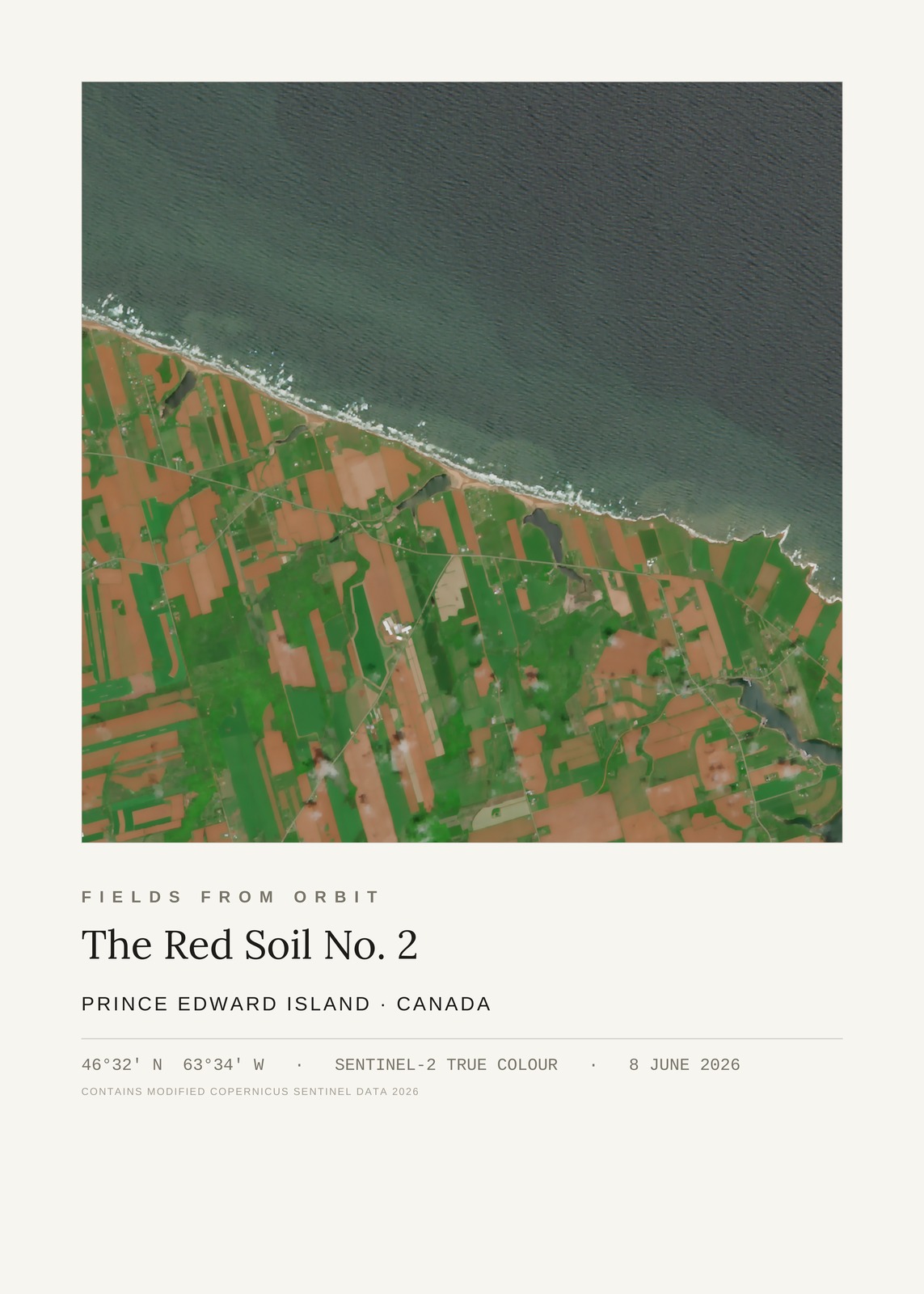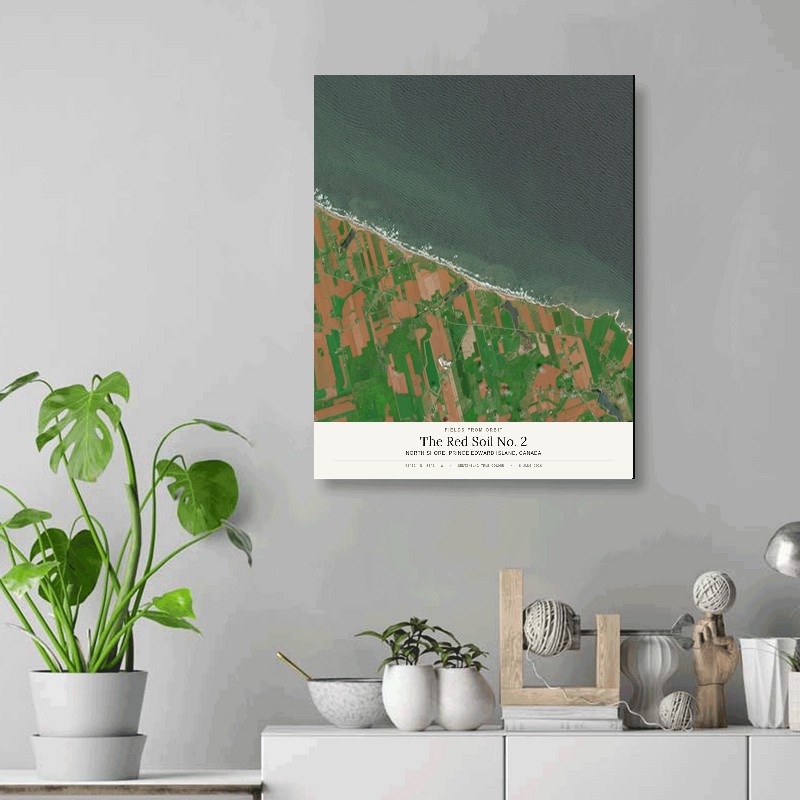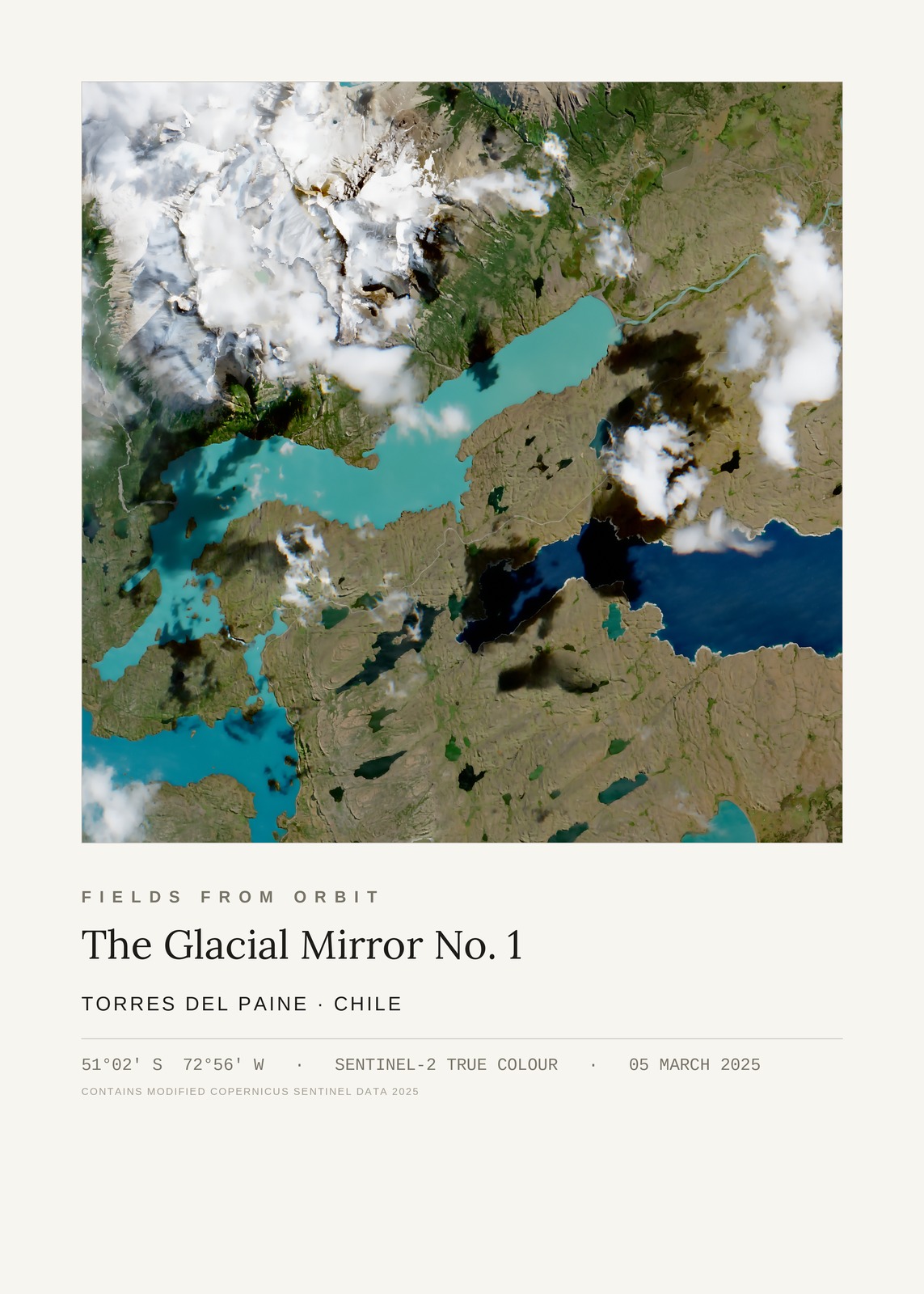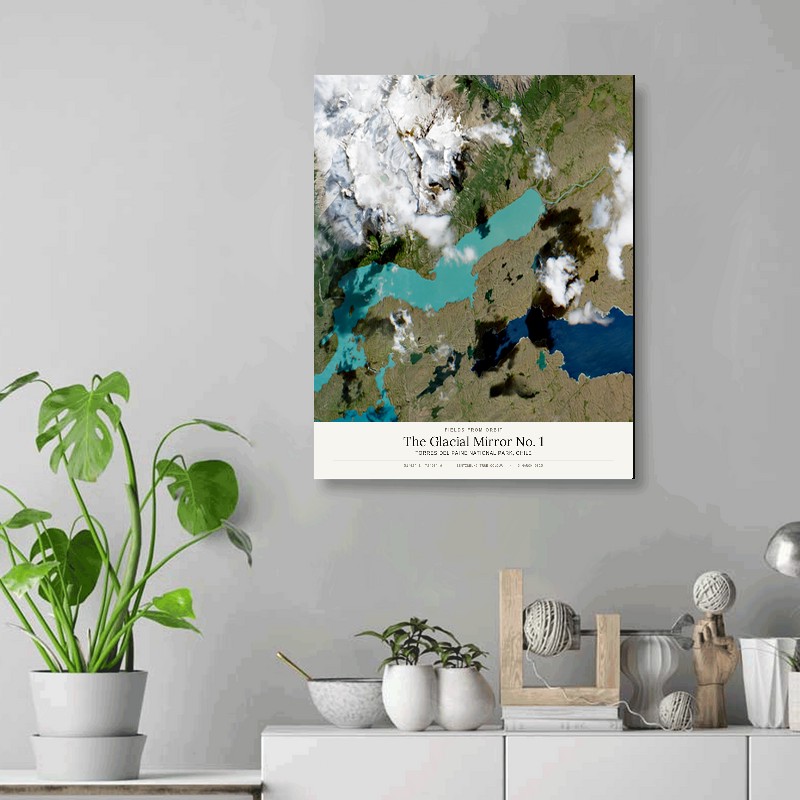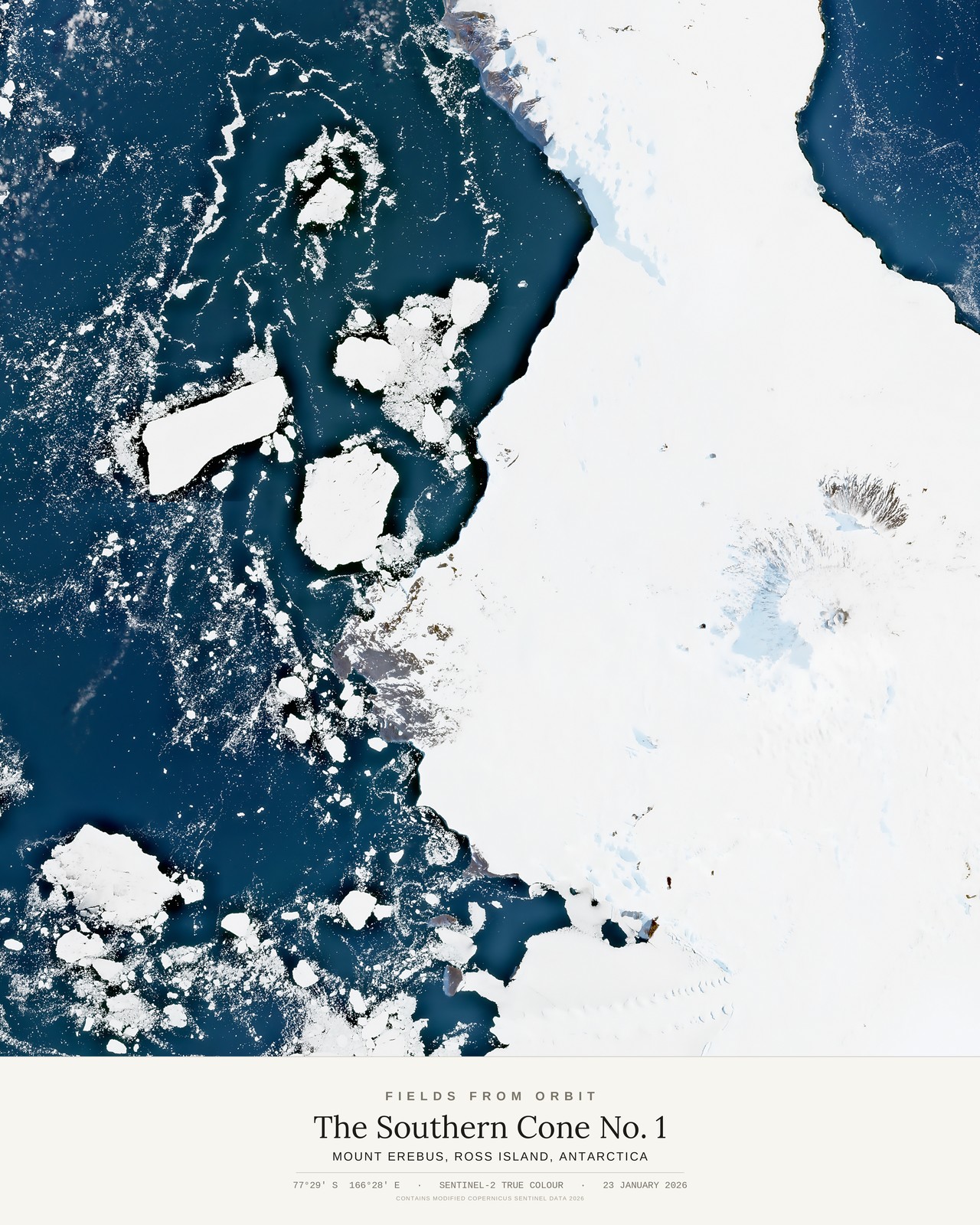
Every purchase — digital or print — ships with the museum label shown here (place, coordinates, capture date).
Tap or click the image to zoom · pinch to zoom on mobile
The Southern Cone No. 1
Mount Erebus, Ross Island, Antarctica
-77.49, 166.46 · Captured 2026-01-23
What’s in the download
- The file. Delivered instantly by email after checkout — lossless PNG print master, 4800×6000px, 300 DPI. Full file specs & Size Guide
- Found, not just downloaded. Each piece is chosen from millions of possible satellite captures. Only the few that clear a very high bar make it onto the site.
- Chosen and composed. The date, the season and the crop are picked for this one place, so it reads as a finished poster and not a raw tile.
- Finished for print. Enhanced and sized for 16×20, with the museum label (place, coordinates, capture date) built in.
- Ready to hang. One file, delivered instantly by email, and you can print it anywhere.
More details on canvas prints
- The canvas. 16×20 in (40.6×50.8 cm), gallery-wrapped, 3/4 in deep, with solid black sides. Hanging hardware is included, so it’s ready to hang straight out of the box. See it on a wall
- The museum label. Title, place, coordinates and capture date are printed on the canvas itself, exactly as pictured on this page.
- Made to order. Your canvas is printed after you check out and typically arrives 5–10 business days after a short production window.
- Shipping. Canada & the US, $19.99 (CAD), calculated at checkout. Full specs & Size Guide
Secure checkout via Stripe·Visa · Mastercard · Amex · Apple Pay
Canvas prints ship to Canada & the US, about 5–10 business days after a short production window — shipping is calculated at checkout. Full file specs & Size Guide
On 23 January 2026, the Sentinel-2 satellite passed over Ross Island, Antarctica, and caught Mount Erebus — the southernmost active volcano on Earth — its dark, radiating flanks the only exposed rock in a frame otherwise ruled by ice. Sea ice fractures into scattered floes on one side of the image; the volcano's slopes climb across the other, streaked with bare scree where nothing else on the continent shows through the snow.
Second Antarctica piece in the catalogue, a companion to The Dry Valleys No. 1 — a bonus find, since the frame caught both the drifting pack ice and the volcano in a single pass.